Just As They Did a Century Ago, Visitors Like Canyon De Chelly
 9:42 AM |
  Posted by
rhenaldydf |
Posted by
rhenaldydf |


sizcache = "0" sizset = "44">
The undated pamphlet probably goes back to the nineteen-teens, Santa Fe Railway to offer advice for tourists to use their lines - and most of the tourists in those days is still used rail for trips outside the immediate vicinity of the - - what you see and in the southwest
.called "off the beaten path in New Mexico and Arizona," a brochure sidetrips proposed a series of mostly north of the railroad, which ran through Santa Fe and Flagstaff. For the most part, it is designed to be a visitor in the Indian state, calling it "the oldest and newest regions of the United States." The brochure said that tourists could make a 72-mile round trip, for example, a car and could go "there and back in one day. "However, the railway offers trips "saddle and pack," which lasted up to 30 days, until the camp in the desert. One of the 30-day riding trips (which cost $ 300, including all but the train tickets) went through a canyon de Chelly (for example, "Canyon Spirit Shay") in the extreme eastern part of northern Arizona. Another trip, this one for four days in the Ford car, also in the canyon and cost $ 120
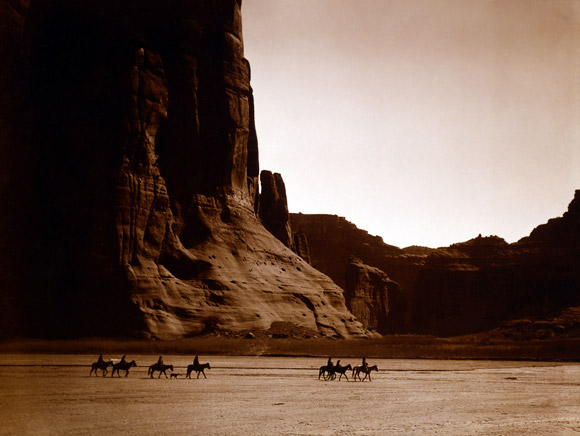
Canyon de Chelly is entirely within the Navajo Reservation in Arizona. It is about 40 miles long and has a red sandstone wall that rises, mostly vertical, 800 to 1500 meters. As the brochure said, "on both sides of the pinnacles, cliffs and high towers, carved by wind and rain." Before the Navajos came to the area, the canyon was home to the Anasazi cliff dwellings of their results can be found in high crevices along the rock walls. "Thousands of peach trees, planted by the early Spaniards, and continue to produce fruit for the Navajo owners. There are Navajo Indians living in these canyons in the same primitive way that they lived a century ago, when the Spaniards first came ."
Today, Canyon de Chelly is still a tourist destination. This is a booking in. This is unique among the pages of leading the National Park Service in that it is a residential area. There is often around the rim of the canyon that is free to ride, as the White house ruin trail, enter the canyon at the bottom, however, must hire a Navajo guide. (You also need four-wheel drive vehicles and permit Park Service.), As well as driving through the canyon today offers hiking, rock-art viewing, interpretive exhibitions and talks, horseback riding, picnicking and photography, the Park Service. Come to think of it, this is not much different than a century earlier.
 Labels:
My Blog List


Popular Posts
-
you want to buy Nikon COOLPIX S4100 14 MP Digital Camera with 5x NIKKOR Wide-Angle Optical Zoom Lens and 3-Inch Touch-Panel LCD (Red),yes .....
-
Canon announces the latest PowerShot S-series, PowerShot S95 S90 as a successor. PowerShot S95 is an advanced digital camera with more manu...
-
One of the first houses to be built outside the old city walls was a fabulous villa is filled with sumptuously decorated rooms. At first co...
-
Many years ago, the great detective fiction writer Mickey Spillane was interviewed by TV host Mike Douglas. Mike asked Mickey how he came ...
-
you want to buy Transcend 8 GB SDHC Class 6 Flash Memory Card TS8GSDHC6E,yes ..! you comes at the right place. you can get special discount ...
-
Bride's outfit: opt for a graceful satin dress with full length gloves and a Great Gatsby-esque hat cage veil, or . groom's suit: ...
-
you want to buy Case Logic DCB-302 Compact Case for Camera - Black,yes ..! you comes at the right place. you can get special discount for Ca...
-
Well ... have saved enough for a down payment, and you've done several internet searches of desirable homes in the neighborhood you are...
-
What has undeniably turn into one particular of the hottest wedding trends as of lately, photo booth backdrops are the reception go-to in ...
-
> Welcome to component two of my series on wedding photography. This portion will deal with the wedding day itself. We will explore wed...


0 comments:
Post a Comment